A great brand film does more than showcase a product or communicate a message. It creates a feeling. Through intentional cinematography, thoughtful composition, lighting, movement, and sound, a brand's story can become something an audience connects with rather than simply watches. In commercial filmmaking, the difference often comes down to how a story is told visually.

It's About More Than Having a Good Camera
Cinematic visuals aren't defined by camera quality alone. They're the result of intentional creative decisions made throughout a production. Lighting establishes mood. Composition draws attention to the right details. Camera movement creates energy, intimacy, or scale. Color and texture help establish a consistent visual identity. Every element should serve a purpose and contribute to the overall story. The goal isn't simply to make something look beautiful, but to create visuals that feel intentional and aligned with the brand.
Creating a Visual Identity for the Brand
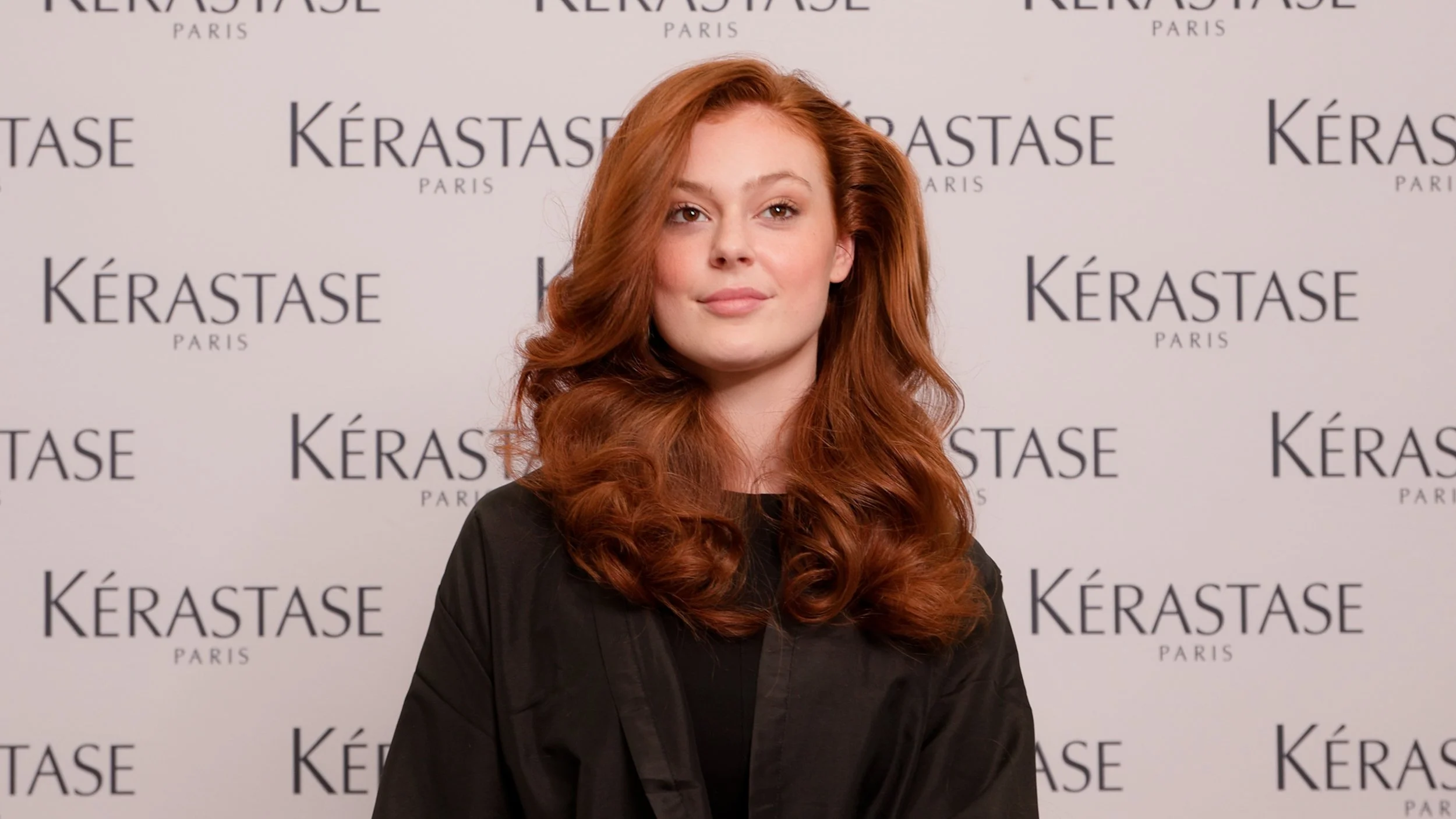
Every brand has its own personality, audience, and visual language. A successful brand film should reflect those qualities. A luxury beauty campaign might lean into controlled lighting, detailed product shots, rich textures, and deliberate camera movement. An outdoor lifestyle brand might benefit from natural light, expansive environments, and a more observational approach. Neither approach is inherently better. What matters is creating a visual direction that feels authentic to the brand and consistent with how it wants to be perceived.
The Balance Between Authenticity and Polish
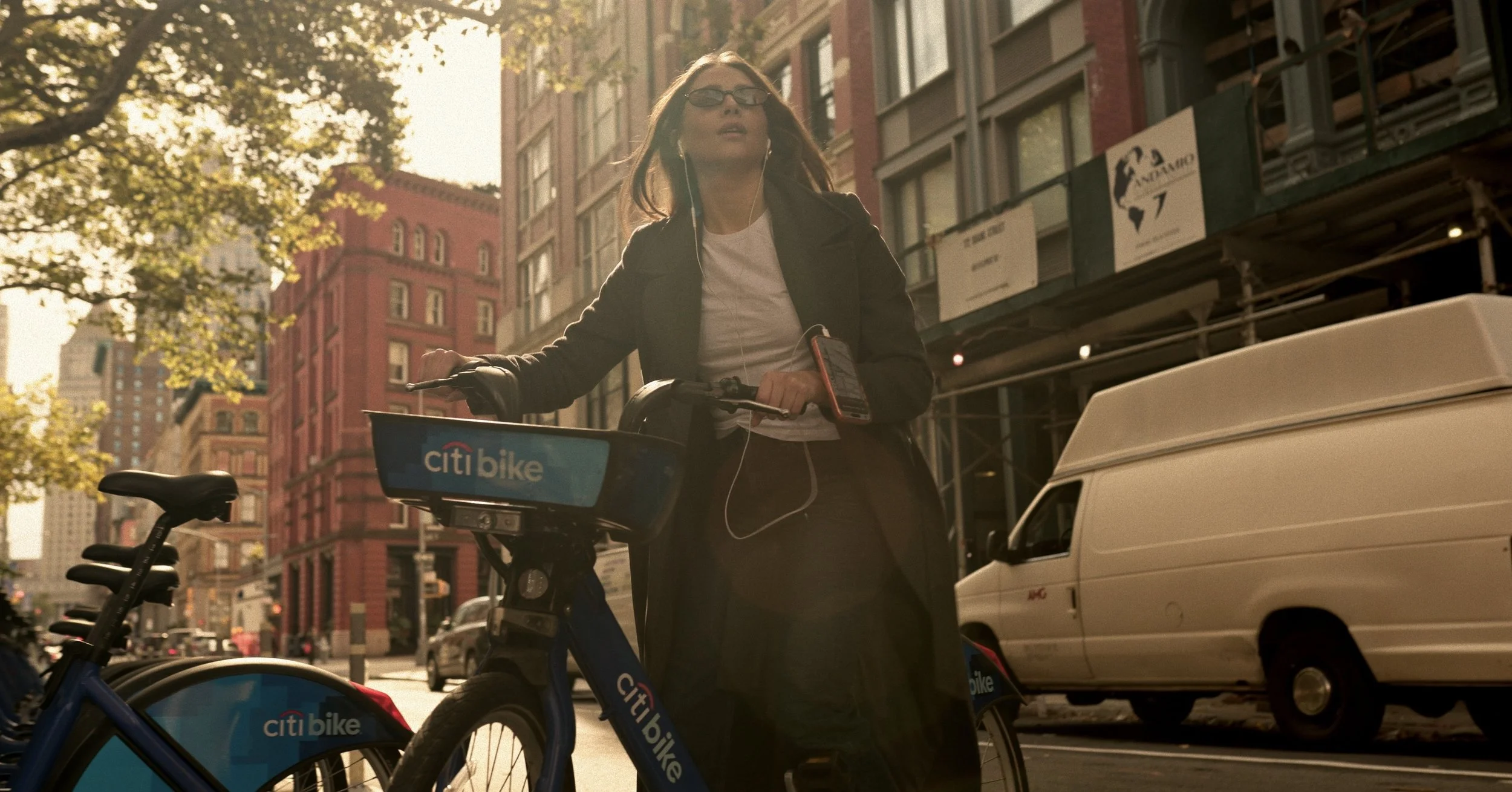
Some of the most compelling commercial content finds a balance between polished production and genuine moments. Not every shot needs to feel perfectly staged. Sometimes the strongest visuals come from capturing natural interactions, subtle expressions, movement, and details that give a story its personality. Documentary-inspired cinematography can bring a sense of authenticity to commercial work while maintaining the visual quality and intention expected from a professional production. It's about creating something that feels real without compromising the creative direction.
Making Every Frame Count
Strong cinematography is intentional. From the wider environment to the smallest product detail, each shot should contribute something to the larger story. A thoughtful combination of wide, medium, and close-up shots creates visual variety and gives an edit room to breathe. Movement can guide the viewer's attention, while lighting and depth of field help establish focus and dimension. These decisions become especially important in branded content, where a film may need to communicate a brand's identity in a relatively short amount of time.
Creating Content That Works Beyond the Film
Commercial productions often need to serve more than one purpose. A single production may result in a hero brand film, shorter social edits, product-focused clips, and additional content for digital campaigns. Thinking about these deliverables during production helps ensure that the footage is captured with the final platforms and intended use in mind. Strong cinematography should translate across formats without losing the visual identity or quality of the original film.
The Value of Thoughtful Cinematography
At its best, commercial filmmaking brings together creative direction, technical execution, and visual storytelling. A camera captures the image, but the cinematography helps shape how that image makes someone feel. It's the difference between simply showing a product or experience and creating a visual story that gives it meaning. Whether working on a brand campaign, commercial, product film, or social-first production, the intention remains the same: create visuals that are engaging, considered, and true to the brand.

Looking to bring a visual concept to life?
Alexa Ruggiero is a New York-based cinematographer and editor working with brands, creative agencies, and production teams on commercial films, branded content, and visual storytelling.